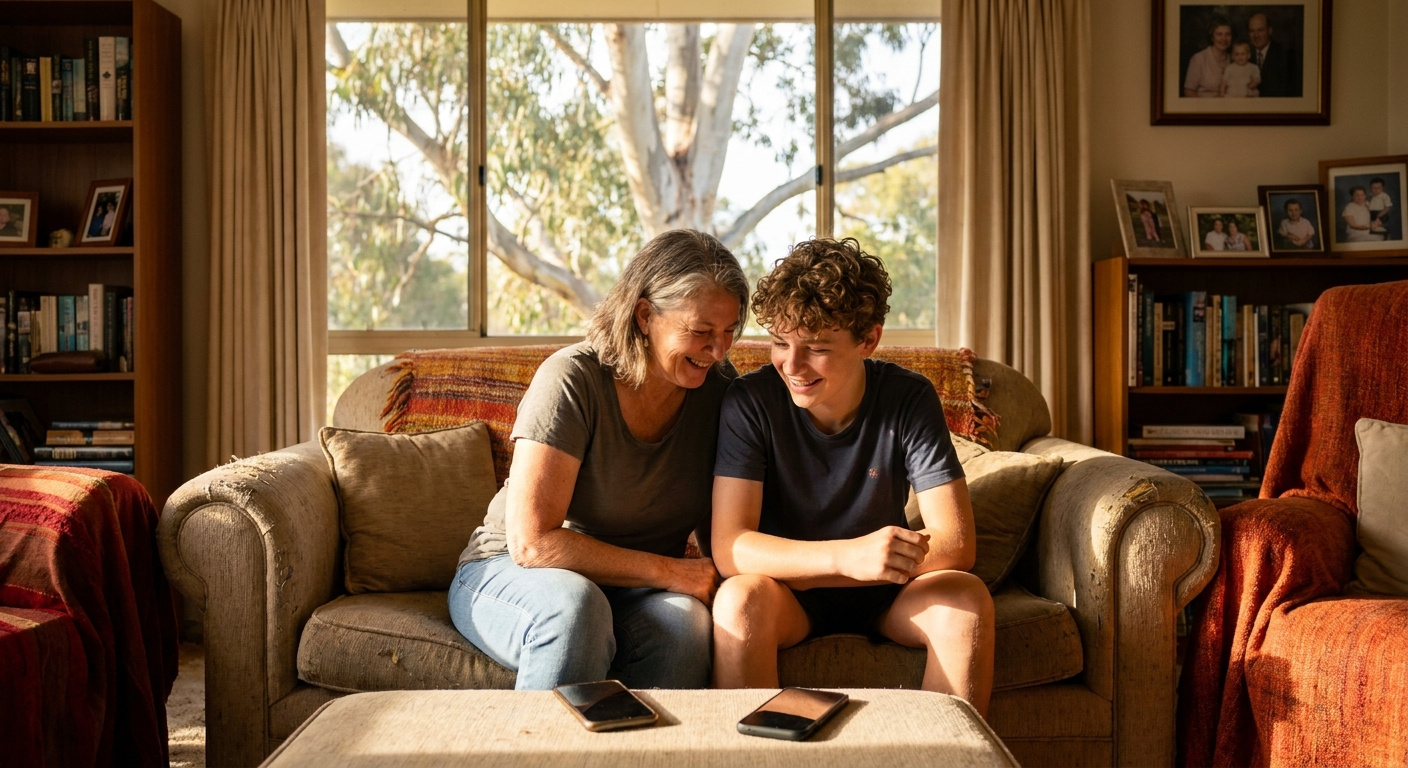

As parents, we often struggle to distinguish between typical teenage behaviour and genuine mental health concerns. The line between normal adolescent moodiness and something more serious can feel impossibly blurry, especially when our teens seem to speak a different language entirely.
Recent data from Beyond Blue shows that one in four young Australians aged 16 to 24 experience a mental health condition. These statistics aren't meant to frighten you, but rather to remind us that mental health challenges are surprisingly common and absolutely treatable with the right support.
The key warning signs often appear gradually. Watch for persistent changes that last more than two weeks, rather than isolated bad days or typical teenage sulking.
Sleep patterns offer crucial insights into your teen's wellbeing. While teenagers naturally shift towards later bedtimes, dramatic changes like sleeping all day or chronic insomnia warrant attention. Similarly, significant appetite changes, whether eating much more or barely touching meals, can signal underlying struggles.
Social withdrawal often presents as the most concerning red flag. If your previously social teen suddenly abandons friends, quits activities they once loved, or isolates themselves completely, these changes deserve gentle investigation. This isn't about occasional alone time, which all teenagers need and deserve.
Academic performance can also reflect mental health struggles. Sudden drops in grades, forgotten assignments, or complete disengagement from school might indicate your teen is battling something bigger than academic stress.
Physical symptoms sometimes mask emotional pain. Frequent headaches, unexplained aches, or constant fatigue without medical cause often accompany mental health challenges. Trust your parental instincts if something feels different about your child's overall energy or physical complaints.
Substance use remains a significant concern across Australia, with recent monitoring showing increased stimulant use among young people. If you discover your teen experimenting with drugs or alcohol, approach the conversation with curiosity rather than immediate punishment. Often, substance use masks deeper emotional pain that requires professional support.
Self-harm behaviours, including cutting, burning, or other intentional injuries, always require immediate professional intervention. These behaviours aren't attention-seeking; they're genuine coping mechanisms that indicate serious distress.
Approaching these conversations requires enormous sensitivity. Choose calm moments, use "I" statements about your observations, and avoid accusatory language. Say something like, "I've noticed you seem really tired lately, and I'm wondering how you're feeling."
The good news is that help is readily available. Headspace centres across Australia offer free, confidential support specifically designed for young people. Kids Helpline provides 24/7 counselling via phone, webchat, or email. Your GP can also coordinate appropriate mental health care plans.
Remember that seeking professional help doesn't mean you've failed as a parent. Mental health challenges affect families from all backgrounds, and early intervention often leads to much better outcomes for everyone involved.
You're not navigating this journey alone. Thousands of Australian families face similar challenges, and comprehensive support systems exist to help both you and your teenager through difficult times. Trust your instincts, seek help when needed, and remember that with proper support, most young people experiencing mental health challenges go on to live full, healthy lives.