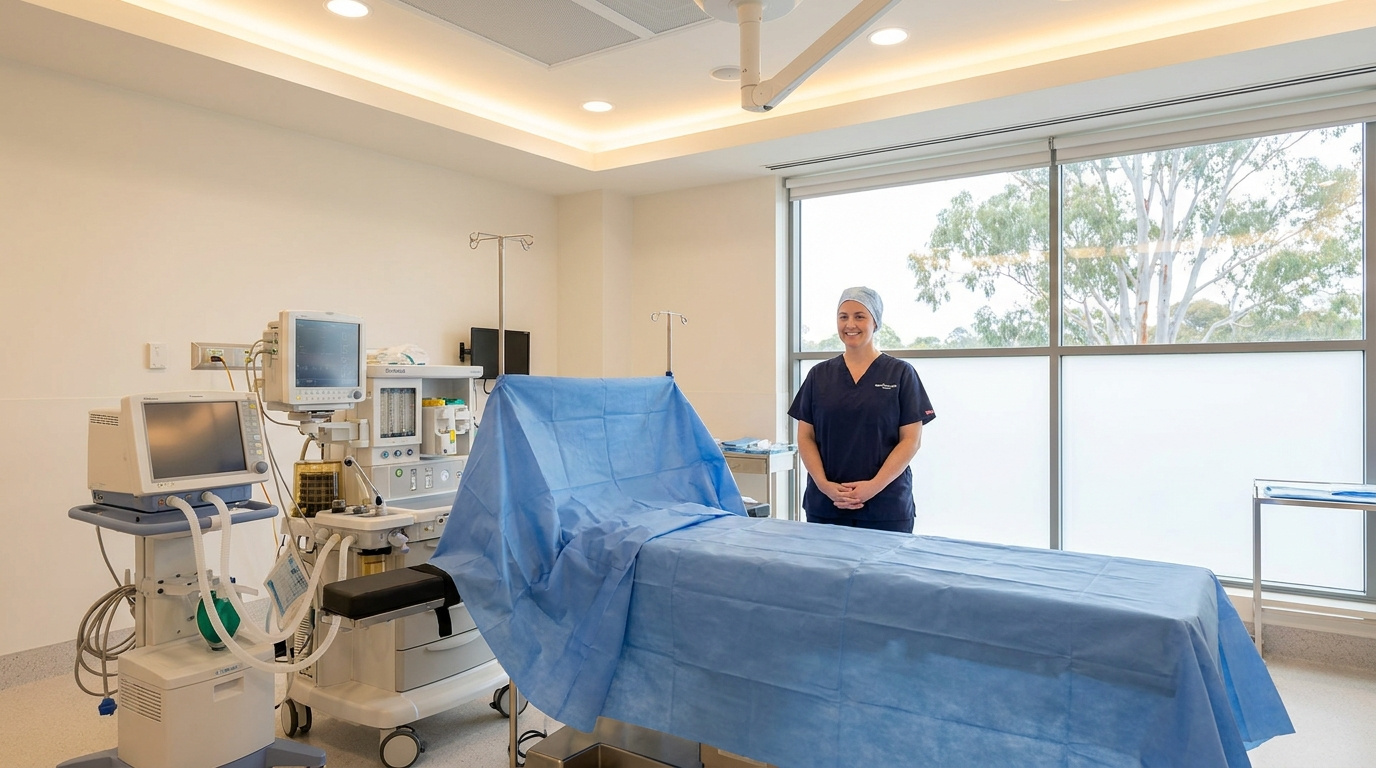

Sarah from Paddington never imagined her birth plan would change so dramatically. Like many Australian mums, she'd envisioned a natural delivery. Instead, she joined the growing number of women having surgical births.
Across Australia, caesarean section rates have climbed steadily over the past two decades. The trend reflects a complex mix of medical advances, changing demographics, and shifting attitudes toward birth.
But what's really behind these rising numbers?
Several factors contribute to Australia's increasing caesarean rates. Advanced foetal monitoring technology now detects potential complications earlier, leading to more precautionary surgical deliveries. Maternal age plays a significant role too. More Australian women are having babies after 35, which naturally increases the likelihood of complications requiring caesarean birth.
The rise in multiple births from fertility treatments also pushes surgical delivery rates higher. Twin and triplet pregnancies often necessitate caesarean section for safety reasons.
Private healthcare access influences these statistics as well. Private patients typically have higher caesarean rates than those in public hospitals, partly due to scheduling flexibility and obstetrician preferences.
From my years attending births, I've observed how fear shapes delivery choices. Many women request caesareans after hearing difficult birth stories or experiencing previous traumatic deliveries. This psychological component deserves serious consideration, not dismissal.
Maternal request caesareans remain controversial within obstetric circles. Some argue that respecting women's autonomy over their birth experience matters most. Others worry about unnecessary surgical risks when vaginal delivery is medically appropriate.
The conversation isn't simply about medical necessity anymore. It encompasses women's right to choose how they give birth, balanced against potential health implications for mother and baby.
Both delivery methods carry risks and benefits. Caesarean sections offer predictable timing and can prevent some birth trauma, but they involve surgical recovery and slightly higher infection rates. Vaginal births typically involve shorter hospital stays and faster recovery, though they're less predictable and may involve different complications.
What matters most is informed decision making. Women deserve comprehensive information about both options, not judgement about their choices.
The quality of postnatal support often determines birth satisfaction more than delivery method. Whether you birth vaginally or surgically, adequate pain management, breastfeeding support, and emotional care make the biggest difference to your recovery experience.
Australian maternity services are adapting to these changing preferences. Many hospitals now offer 'gentle caesareans' with immediate skin contact and delayed cord clamping. These modifications help bridge the gap between surgical necessity and natural birth preferences.
For expectant mums navigating these decisions, honest conversations with your healthcare provider prove invaluable. Discuss your specific risk factors, fears, and preferences openly. Ask about your hospital's caesarean rates and policies around maternal choice.
Remember that birth plans can change. Flexibility often leads to better outcomes than rigid expectations.
The rising caesarean trend reflects our evolving understanding of safe, respectful maternity care. Whether these rates represent progress or concern depends largely on whether women feel supported in making informed choices about their own bodies and babies.