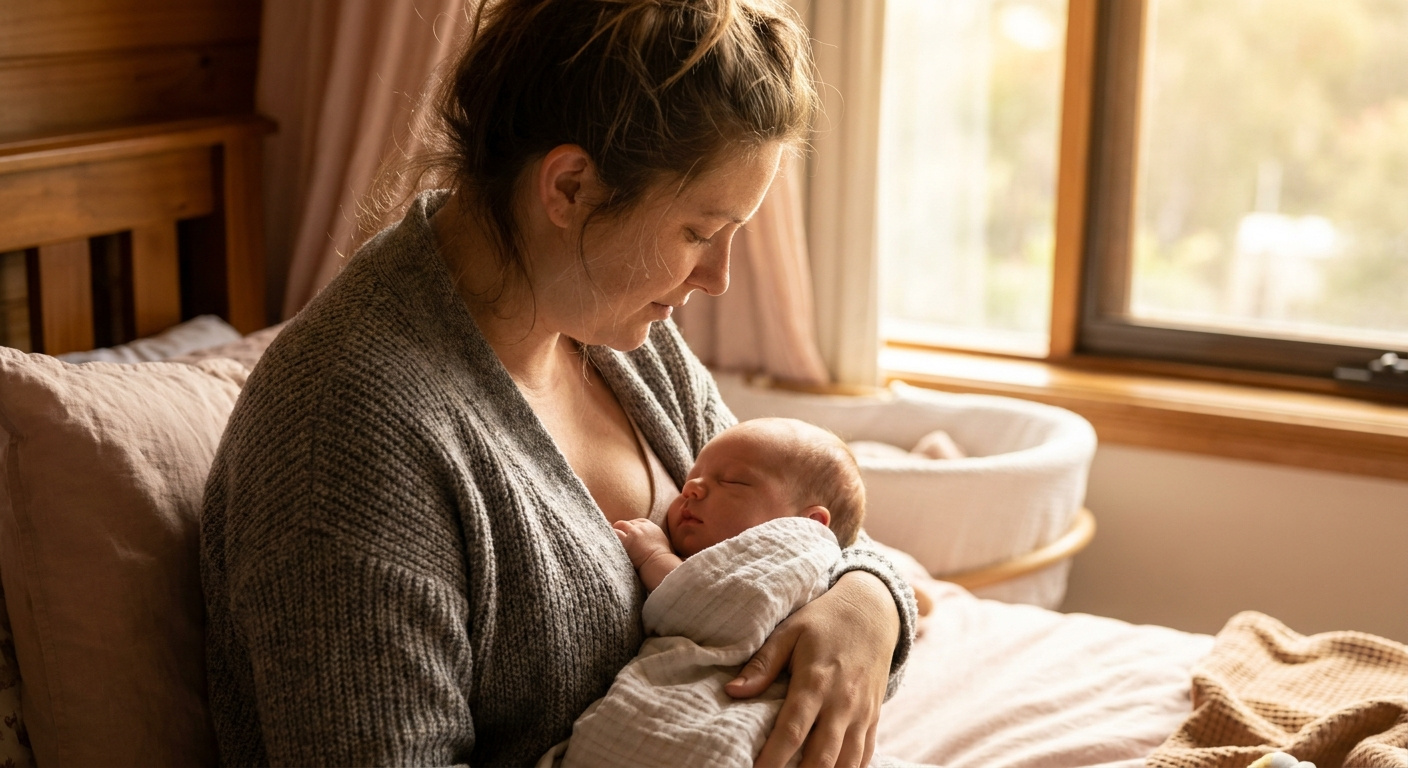

Sarah Chen discovered her three-month-old's bassinet was no longer compliant while browsing Facebook at 2am. The Melbourne mum had bought the popular bedside sleeper just six weeks earlier. Now it's illegal to sell.
Australia's updated mandatory safety standards for infant sleep products came into force this year, marking the biggest overhaul of baby product regulations in decades. The changes affect bassinets, portable cots, bouncinettes, and bedside sleepers sold after the implementation date.
But here's what's confusing parents: products purchased before the new laws remain legal to use. You don't need to bin that bassinet immediately. However, retailers can't sell old stock that doesn't meet the updated requirements, creating a complex landscape for second-hand purchases.
The Australian Competition and Consumer Commission now requires stricter testing for structural integrity, entrapment hazards, and suffocation risks. Products must display new compliance markings and meet enhanced labelling requirements that spell out safe sleep positioning more clearly.
According to Red Nose Australia, approximately 3,500 babies die from sudden infant death syndrome or fatal sleep accidents annually, with unsafe sleep environments contributing to preventable deaths. The organisation has long advocated for tighter product standards alongside their safe sleep education campaigns.
What makes these changes particularly significant is the focus on bedside sleepers and co-sleeping products. Many popular international brands failed initial testing under Australia's upgraded standards, forcing manufacturers to redesign or withdraw products entirely.
The new regulations also target structural failures that have plagued certain bassinet designs. Folding mechanisms must now withstand repeated stress testing, and fabric attachments require stronger anchoring systems (something I've seen fail catastrophically in my clinical work, leaving parents devastated and babies at risk).
Raising Children Network emphasises that parents should check existing products against updated safety checklists, even if they're not legally required to replace them. Look for loose screws, fraying fabric, or wobbly legs that might indicate deteriorating safety standards.
Smaller retailers struggled with the transition period. Many independent baby stores couldn't afford to replace entire product lines, leading to reduced choice for parents shopping locally. Online marketplaces have been slower to enforce the changes, creating potential compliance gaps.
For parents buying second-hand, the rules become murkier. Private sales through Facebook Marketplace or Gumtree aren't subject to the same regulations as commercial retailers. But that vintage bassinet from your neighbour might not meet current safety expectations, regardless of its legal status.
New South Wales Fair Trading and similar bodies across other states have ramped up compliance checks. Penalties for retailers selling non-compliant products can reach substantial fines, encouraging stricter adherence than previous voluntary guidelines achieved.
The timing coincides with growing awareness about safe sleep practices among new parents. SIDS and Kids organisations report increased engagement with their educational materials, suggesting parents are more receptive to safety messaging when backed by regulatory changes.
But implementation hasn't been seamless. Some parents report confusion about which products are affected, while others discovered their recently purchased items no longer met updated standards. Clear communication from manufacturers and retailers remains inconsistent.
Your baby's safety doesn't hinge solely on regulatory compliance. Even products meeting the latest standards require proper assembly, appropriate use, and regular safety checks as your child grows and develops new abilities.
The new laws represent progress, but they're just one layer of protection in creating safe sleep environments for Australian babies.