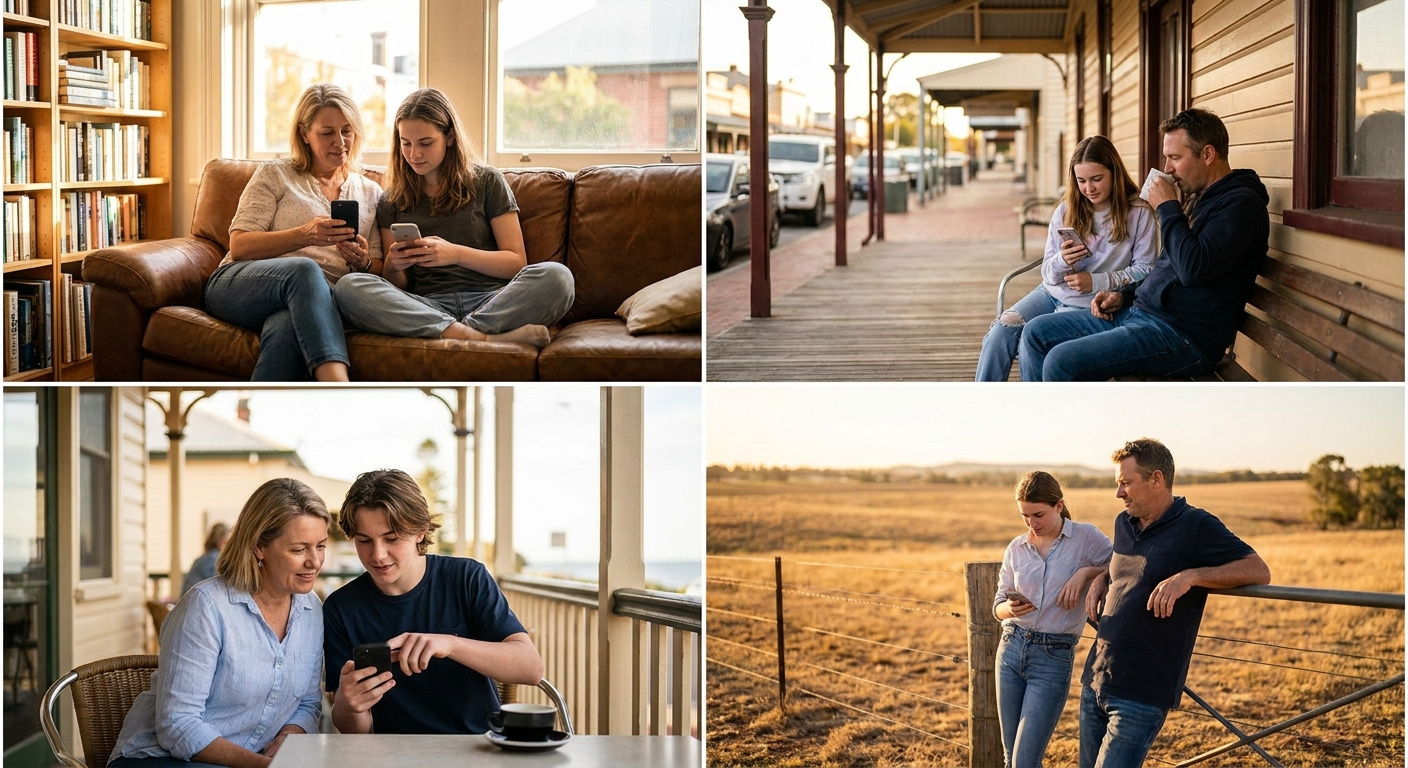

Fifteen-year-old Chloe from Brisbane logs into TikTok every morning before school. She shouldn't be able to. Australia's under-16 social media ban, which came into effect six months ago with fanfare from politicians and parental advocacy groups, was supposed to stop exactly this.
But Chloe, like thousands of Australian teenagers, has discovered what tech-savvy kids always do: where there's a digital will, there's a way.
The landmark legislation, championed by the Albanese government as world-first protection for young minds, carries fines of up to $50 million for social media companies that fail to prevent underage access. Meta, TikTok, Snapchat and X scrambled to implement age verification systems ranging from document uploads to facial recognition technology.
Yet six months in, the reality on Australian school playgrounds tells a different story. VPNs that mask location have become teenage currency. Fake birth certificates generated through online tools fool automated systems. And some platforms' age verification remains surprisingly easy to bypass with a simple checkbox.
According to the Australian Communications and Media Authority, early compliance reports show mixed results across different platforms. Instagram and Facebook have implemented more robust verification, leading to genuine drops in underage users. But newer platforms and those based overseas have proven more resistant to Australian enforcement.
The ban has created an unintended digital divide. Teenagers from families with stronger tech literacy or financial resources to access VPN services maintain their social media presence. Others, particularly from disadvantaged backgrounds, find themselves genuinely locked out, potentially missing social connections that have become central to adolescent life.
Cyber safety experts at the Australian Centre for Cyber Security have noted an uptick in risky online behaviour among teenagers seeking alternatives. When mainstream platforms become inaccessible, young people migrate to less regulated spaces where predatory behaviour and harmful content face fewer safeguards.
Parents report feeling caught in an impossible bind. Those who support the ban find themselves policing their teenagers' device usage more intensively, creating household conflict. Others worry their children are being left behind socially or turning to more dangerous online spaces.
Meanwhile, the Mental Health Australia organisation has raised concerns about unintended consequences for vulnerable teenagers who previously used social media for peer support around mental health struggles, LGBTQI+ identity, or family difficulties.
The enforcement challenge extends beyond technology to practicality. School principals across Sydney and Melbourne report that playground conversations still revolve around TikTok trends and Instagram drama. If the majority of teenagers have found workarounds, the protective intent of the legislation becomes questionable.
Some education advocates argue the ban has sparked more valuable conversations about digital literacy and critical thinking than years of traditional cyber safety programs. But others worry it's teaching young people that rules are made to be broken, particularly when the rule-breakers face no meaningful consequences.
Tech companies argue they're doing their best within technical limitations, but critics suggest some platforms are implementing token measures while knowing determined users will find alternatives. The result is a policy that creates inconvenience rather than genuine protection.
Legislation that promised to revolutionise online safety for Australian children has instead highlighted the complexity of regulating digital spaces where teenagers often possess more technical knowledge than their parents or policymakers.