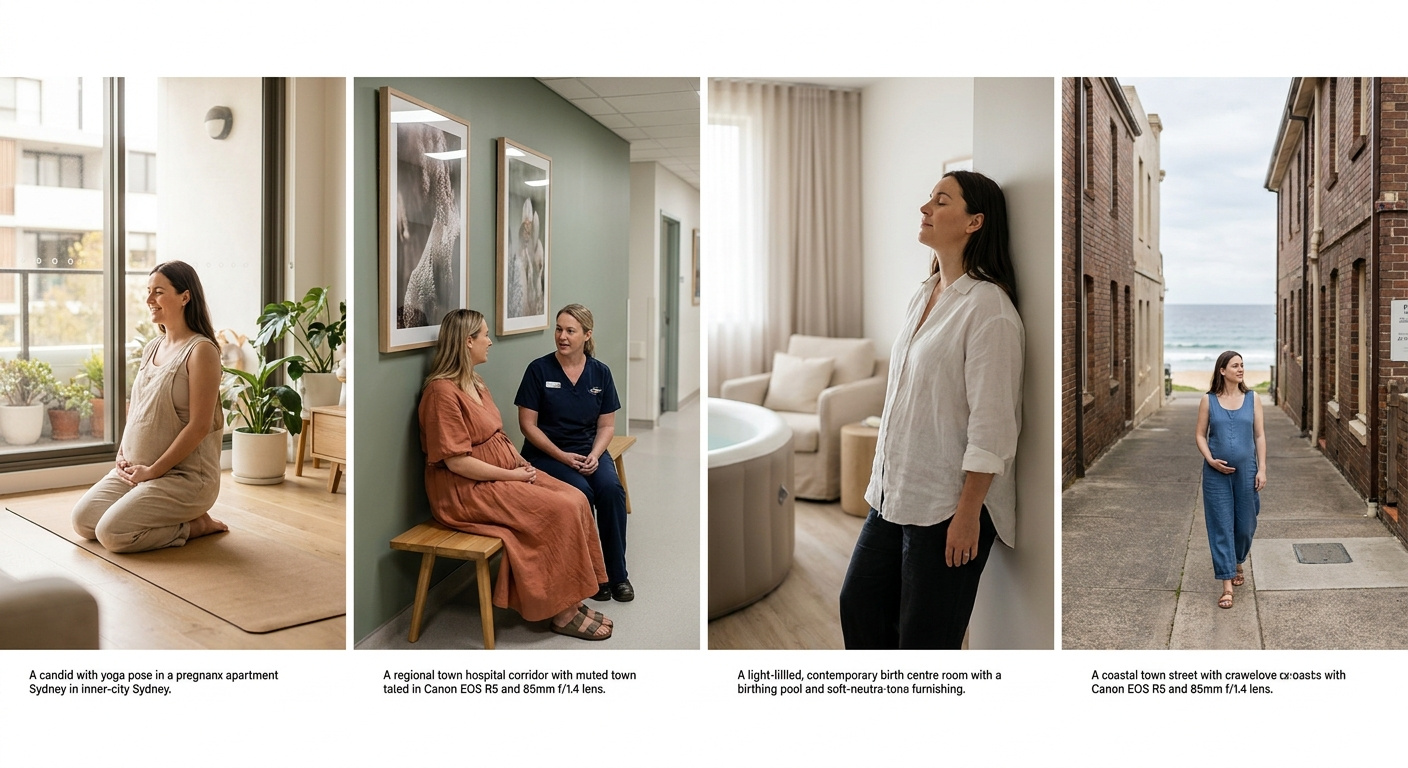

Sarah Mitchell was 38 weeks pregnant when she finally dragged herself to a prenatal yoga class in Melbourne's inner north. Three weeks later, after a six-hour labour that felt manageable, she wished she'd started sooner.
Across Australia, pregnant women are rolling out their mats in record numbers. But beyond the Instagram-worthy poses and promise of 'natural birth preparation', what does the actual research tell us about pregnancy yoga's impact on labour?
The Royal Australian and New Zealand College of Obstetricians and Gynaecologists acknowledges yoga as beneficial for pregnancy wellness, though they stop short of making specific labour claims. However, international studies consistently point to measurable benefits that Australian mums are experiencing firsthand.
A 2017 study published in the Journal of Alternative and Complementary Medicine found women who practiced prenatal yoga had significantly shorter first-stage labour times compared to those who didn't. The difference wasn't marginal. We're talking hours, not minutes.
But here's what fascinates me as someone who's covered birth stories for a decade: it's not just about the physical poses. The breathing techniques central to yoga practice mirror the pain management strategies midwives teach in Australian hospitals. When labour hits, muscle memory kicks in.
Research published in the International Journal of Yoga showed that pregnant women who attended regular yoga classes reported lower pain intensity during labour and required less pharmaceutical pain relief. The Australian College of Midwives notes that preparation during pregnancy, including yoga practice, can influence birth outcomes and maternal confidence.
Yet pregnancy yoga isn't a magic bullet for easy labour (despite what some wellness influencers might suggest). What it does offer is practical preparation. The hip-opening poses common in prenatal classes can improve pelvic flexibility. The emphasis on breath awareness builds skills directly transferable to labour breathing patterns.
Australian physiotherapists specialising in women's health increasingly recommend yoga for pregnancy-related back pain and pelvic discomfort. This matters because physical comfort during pregnancy often correlates with better labour preparation and maternal wellbeing.
The mental health benefits deserve attention too. Perinatal Anxiety & Depression Australia recognises gentle exercise, including yoga, as beneficial for mood regulation during pregnancy. When you feel stronger and more centred during pregnancy, you approach labour differently.
Most Australian yoga studios now offer pregnancy-specific classes, with instructors trained in prenatal modifications. The key is finding qualified teachers who understand the physiological changes of pregnancy and can adapt poses safely for each trimester.
Timing matters less than consistency. Whether you start in your first trimester or, like Sarah, much later, regular practice builds the breathing patterns and body awareness that serve you during labour.
Here's the reality check: yoga won't guarantee your ideal birth experience. Labour remains unpredictable regardless of preparation. But the research suggests it stacks the odds in your favour for shorter labour times, better pain management, and increased confidence.
For Australian mums seeking evidence-based preparation that goes beyond hospital classes, pregnancy yoga offers measurable benefits backed by solid research. Just don't expect miracles from downward dog.