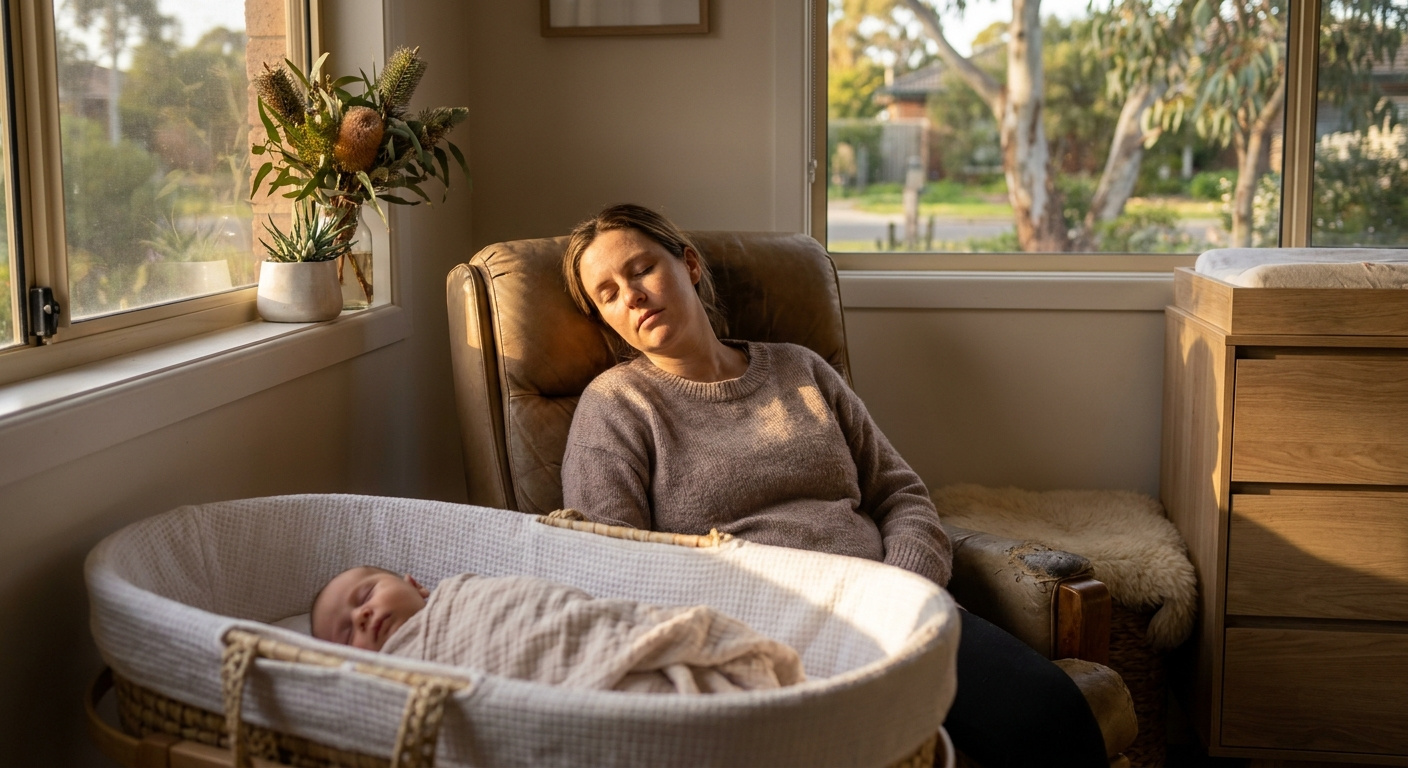

That fourth trimester hits differently than anyone tells you. One minute you're marveling at your baby's tiny fingers, the next you're crying into a bowl of two-day-old cereal wondering if you're cut out for this whole motherhood thing.
Postpartum depression affects around one in seven Australian women, yet so many of us suffer in silence. We're conditioned to expect the 'baby blues' in those first couple of weeks, but when the fog doesn't lift, it's time to pay attention.
The signs aren't always obvious. Sure, persistent sadness and crying spells are red flags, but postnatal depression often shows up as overwhelming anxiety, irritability that feels out of character, or a complete lack of interest in things that used to bring you joy.
Many mums describe feeling disconnected from their baby, like they're going through the motions without that magical bond everyone promised would happen instantly. Others experience intrusive thoughts about harm coming to their child, which can be absolutely terrifying to experience alone.
Physical symptoms matter too. Beyond the expected tiredness, watch for significant changes in appetite, sleep disturbances that go beyond newborn wake-ups, or feeling completely drained even after rest.
The perfectionism trap catches so many of us. When you're constantly worried about being the 'perfect mum' or feel like you're failing at every turn, these feelings can signal something deeper than normal adjustment struggles.
If you're recognising yourself in these descriptions, please know that seeking help isn't admitting defeat. It's actually one of the bravest things you can do for both yourself and your family.
Your GP is often the best first port of call. They can assess your symptoms and connect you with appropriate support, whether that's counselling, medication, or both. Many Australian communities also have specialised perinatal mental health services.
PANDA (Perinatal Anxiety and Depression Australia) offers a free helpline staffed by trained counsellors who understand exactly what you're going through. You can call them on 1300 726 306, any day of the week.
Beyond Blue also provides excellent resources and support, with their website offering practical tools for both mums and their support networks.
Recovery isn't linear, and some days will feel harder than others. But with the right support, you can absolutely work through this challenging time and rediscover joy in motherhood.
Remember, postpartum depression is a medical condition, not a character flaw or sign of weakness. You're not broken, you're not a bad mother, and you're certainly not alone. Professional support is available, effective, and can make all the difference in your recovery journey.