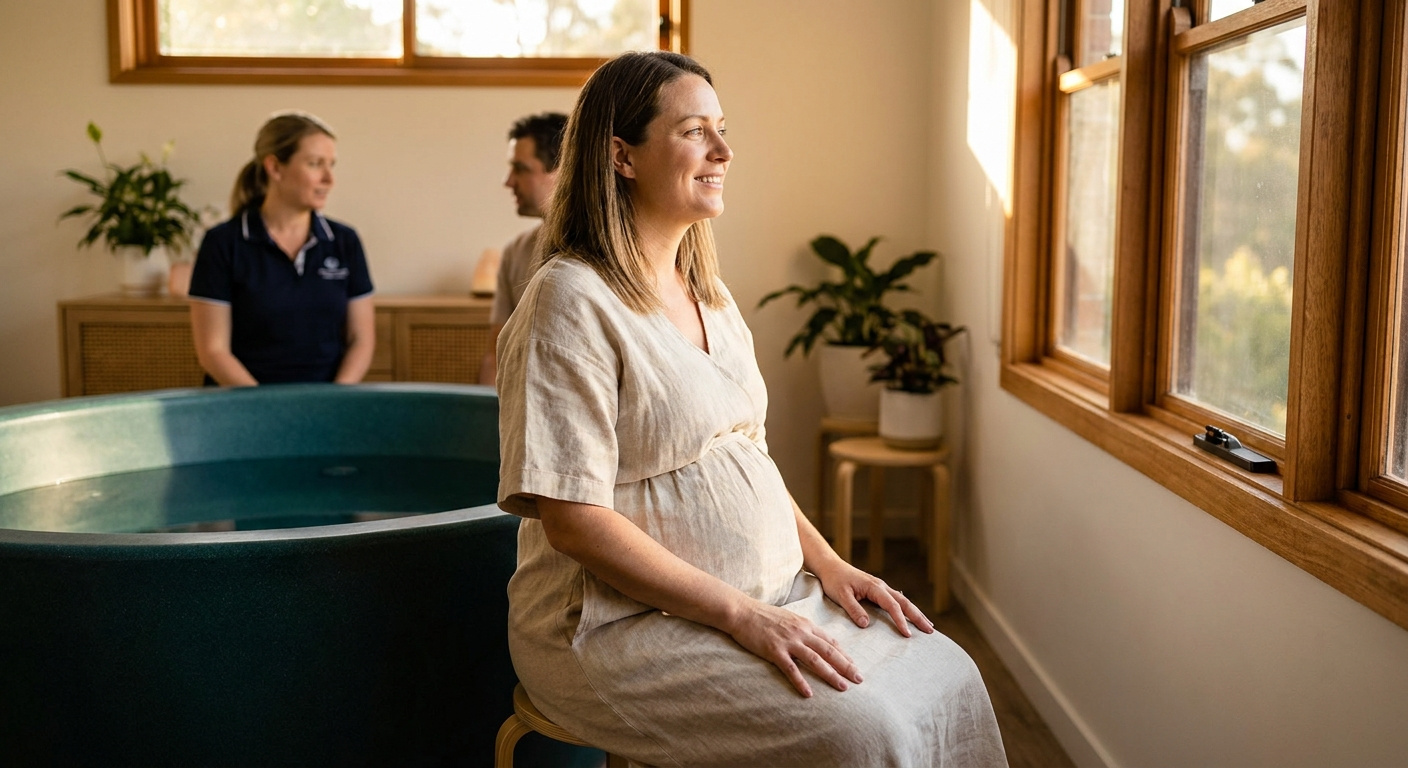

Water birth has become increasingly popular among Australian women, and for good reason. The warm water can provide natural pain relief, reduce the need for medical interventions, and create a gentler transition for your baby into the world.
As a midwife who's attended countless water births, I've seen firsthand how transformative this experience can be. The buoyancy of water allows you to move more freely during labour, while the warmth helps relax your muscles and ease discomfort.
In Australia, water birth availability varies significantly between hospitals and states. Many public hospitals now offer birthing pools, particularly in major centres like Sydney, Melbourne, and Brisbane. The Royal Women's Hospital in Melbourne has been a pioneer in water birth services, while King Edward Memorial Hospital in Perth offers dedicated water birth suites.
Private hospitals have been quicker to embrace water birth facilities. Most private maternity hospitals across Australia now feature purpose-built birthing pools, often in luxurious birthing suites designed to feel more like home than hospital.
Birth centres represent another excellent option for water birth. These midwifery-led facilities, found in most Australian states, typically prioritise natural birth options including water immersion. The atmosphere tends to be more relaxed, with midwives who are experienced in supporting women through water births.
Not every pregnancy is suitable for water birth, though. Your midwife or obstetrician will assess your individual circumstances. Generally, you'll need a low-risk pregnancy, baby in the right position, and no complications during labour.
Some hospitals allow water immersion during labour but require you to leave the pool for delivery. Others support full water birth where baby is born underwater. It's worth asking about your hospital's specific policies during your antenatal appointments.
The evidence around water birth safety is reassuring. Research shows similar outcomes to land births for low-risk pregnancies, with potentially less need for pain medication and episiotomies. Your baby is born with protective reflexes that prevent breathing underwater until exposed to air.
Practical considerations matter too. Pack extra towels and a comfortable change of clothes. Some hospitals provide waterproof speakers if you want music during labour. Don't forget that you can get in and out of the pool as often as you like.
If your chosen hospital doesn't offer water birth, consider discussing alternatives with your care provider. Some women hire portable pools for home births, while others transfer to facilities that support their birth preferences.
Remember, birth plans can change, and that's perfectly normal. Having water birth as an option provides flexibility, but staying open to other possibilities ensures the safest outcome for you and your baby.
The most important thing is feeling supported and informed about your choices. Whether you ultimately choose water birth or not, knowing your options empowers you to make the best decision for your unique circumstances.