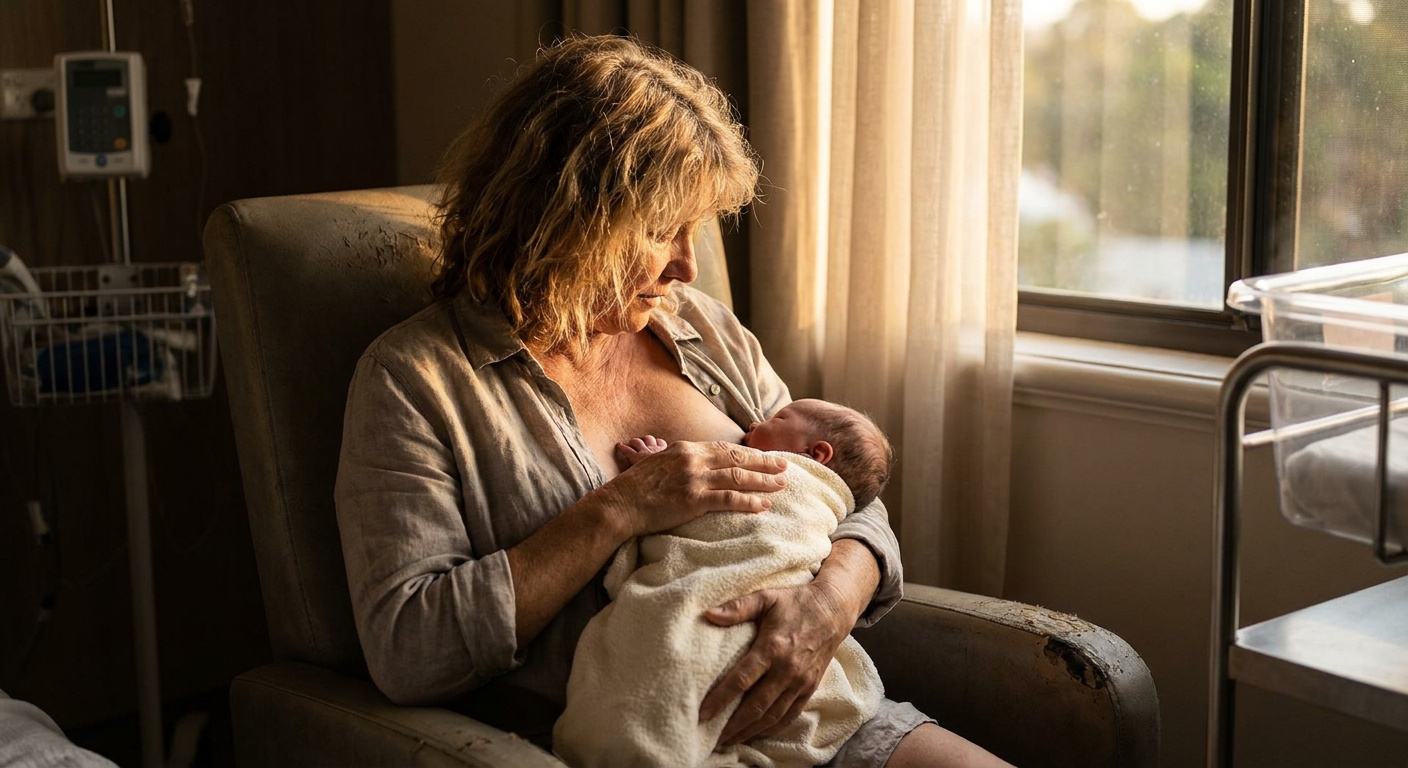
Sarah Mitchell thought she'd prepared for everything. At 32, the Melbourne marketing manager had read every pregnancy book, attended birthing classes, and stocked her nursery with organic everything. What caught her off guard wasn't labour itself, but how differently her body responded to recovery compared to her younger sister's experience five years earlier.
She's not alone. According to the Australian Bureau of Statistics, the average age of first-time mothers has steadily climbed to 29.9 years, with many women having their first child well into their thirties. This shift brings unique considerations for postpartum recovery that deserve serious attention.
Older mothers often face distinct physical challenges. Recovery takes longer. The Australian College of Midwives notes that women over 30 typically experience more pronounced joint stiffness and slower muscle recovery after delivery. Your ligaments, softened by pregnancy hormones, need extra time to regain stability when you're older.
But here's what the research doesn't always capture: older first-time mums often bring psychological advantages that can significantly enhance their recovery experience. In my clinical practice, I've observed that women who become mothers later tend to have stronger support networks, better financial resources, and more realistic expectations about the challenges ahead. They're also more likely to advocate for themselves with healthcare providers and seek help when needed.
Sleep deprivation hits differently too. The Royal Australian and New Zealand College of Obstetricians and Gynaecologists research shows that women over 30 may need up to 20% more recovery sleep than their younger counterparts. Your body simply requires more rest to repair and restore itself after the massive physical undertaking of pregnancy and birth.
Nutritional needs shift as well. Iron absorption becomes less efficient with age, making anaemia more common among older new mothers. Perinatal and Infant Mental Health Services Australia guidelines recommend extended iron supplementation for women over 30, often continuing for six months postpartum rather than the standard three.
The emotional landscape differs markedly. Older first-time mothers frequently grapple with what I call 'identity whiplash' more intensely than younger mums. You've likely spent over a decade building your professional identity and personal autonomy. Suddenly surrendering that to round-the-clock infant care can feel more jarring when you've had longer to establish who you are outside motherhood.
Yet this same life experience becomes your secret weapon. You understand your body's signals better. You're more likely to recognise when something feels wrong and seek appropriate medical attention. The Centre of Perinatal Excellence data shows that older mothers are actually more successful at identifying early signs of postnatal depression and anxiety, leading to better treatment outcomes.
Practical recovery strategies need adjusting too. Where a 25-year-old might bounce back from a caesarean section in six weeks, you might need eight to ten weeks to feel genuinely strong again. That's not failure. That's biology.
Invest in professional help earlier rather than later. Whether it's a postnatal doula, a cleaner, or meal delivery services, your recovery budget should reflect your body's extended timeline. The Raising Children Network emphasises that adequate support in the first three months can prevent complications that might otherwise extend recovery by months.
Your experience as an older first-time mum isn't a consolation prize. It's a different journey entirely, with its own timeline and rewards. Understanding that difference isn't about limitation. It's about giving yourself the grace to heal properly.