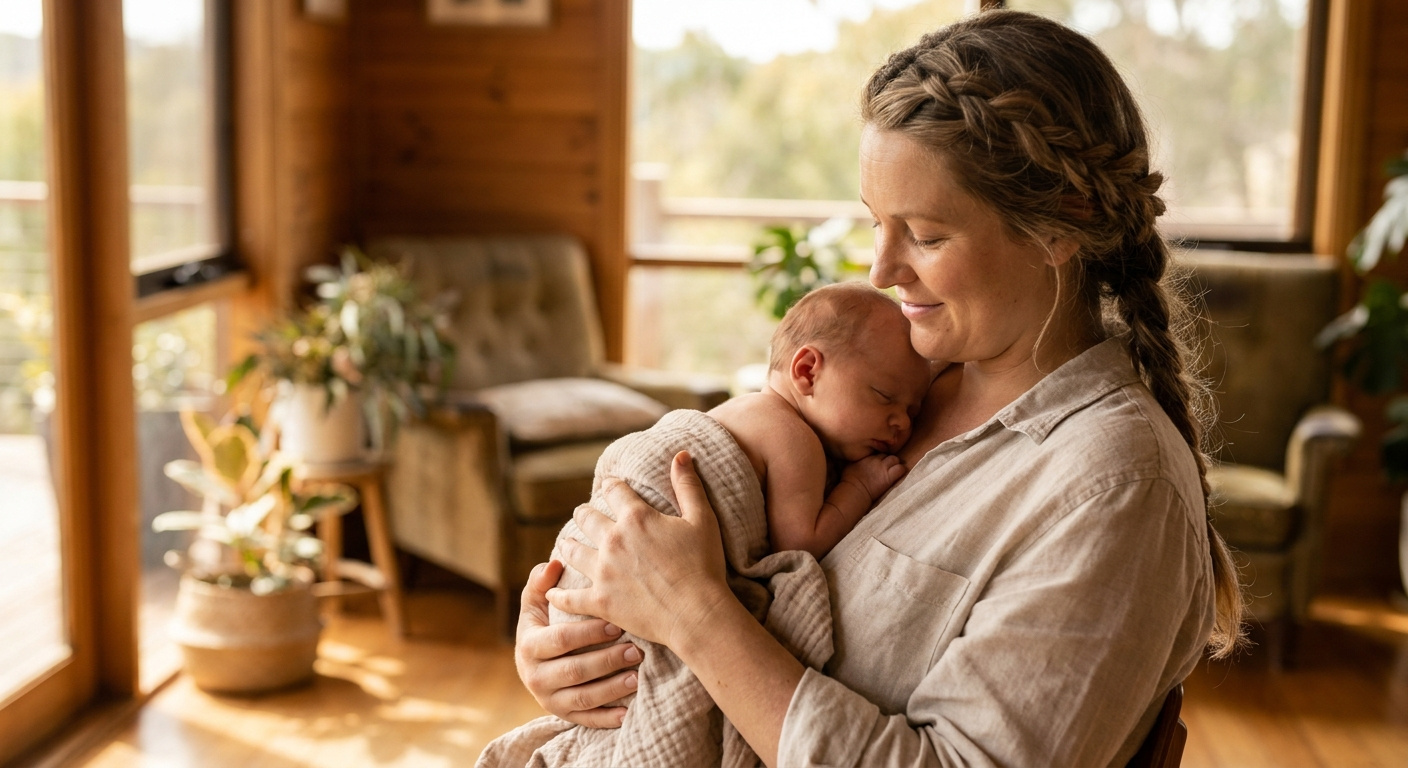
Sarah Mitchell from Ballarat spent $3,200 on baby gear before her first child arrived. Second time around? Just $800.
She's part of a growing movement of Australian parents choosing pre-loved over pristine. Rising living costs have pushed many families toward second-hand baby purchases, but the shift represents more than financial necessity. It's about sustainability, community connection, and recognising that babies outgrow items faster than you can say 'growth spurt.'
The appeal is obvious. Newborns use car seats for roughly 12 months before graduating to the next size. High chairs see active duty for maybe two years. That $400 pram gets pushed for 18 months before siblings arrive or storage beckons.
But buying second-hand baby gear isn't just about snagging bargains. Safety becomes paramount when previous use history remains unknown.
According to the Australian Competition and Consumer Commission, certain items should never be purchased used. Car seats top this list. You can't verify whether they've been in accidents, dropped, or stored in extreme temperatures. Any of these factors can compromise structural integrity without visible damage.
The Product Safety Australia website specifically warns against second-hand cots manufactured before current safety standards. Look for compliance with AS/NZS 2172:2003. Anything older could have dangerous gap spacing or lead paint issues.
Baby monitors and electrical items require particular scrutiny. The Electrical Safety Office recommends checking for current safety marks and testing all functions before purchase. Frayed cords or missing components aren't worth any savings.
However, many categories offer excellent second-hand value. Clothes, books, toys (without small parts for under-threes), and non-electrical equipment like baby baths or change tables can serve multiple families safely.
When shopping second-hand, inspect everything thoroughly. Check for recalls through the Product Safety Australia website using brand names and model numbers. Many parents don't realise items in their homes have been recalled.
Ask specific questions. How long was it used? Why are they selling? Has it been in accidents or dropped? Any honest seller welcomes these queries.
Meet in person when possible. Photos hide crucial details like wear patterns, loose screws, or missing safety straps. Bring your phone torch for closer inspection of mechanisms and joints.
From my clinical experience, I've observed that parents who thoughtfully curate second-hand purchases often develop stronger problem-solving skills and resourcefulness. They research products more thoroughly, understand safety standards better, and make more intentional choices about what their family actually needs versus what marketing suggests they want.
Consider the community aspect too. Local parent networks, playgroup sales, and neighbourhood Facebook groups often yield the best finds. These connections frequently evolve into ongoing support systems that extend well beyond single transactions.
One category deserves special mention: books. Second-hand children's books offer incredible value and expose little ones to stories they might not otherwise encounter. The wear patterns often indicate which books genuinely captured young imaginations.
Platforms like Gumtree, Facebook Marketplace, and local buy-swap-sell groups have revolutionised second-hand shopping. But remember that online purchases carry additional risks. Request detailed photos of all angles, ask about return policies, and trust your instincts about sellers.
For items like strollers or high chairs, factor cleaning time into your decision. Some stains and odours prove impossible to eliminate completely.
The second-hand baby gear market thrives because children's needs change rapidly and parents consistently overestimate what they'll actually use. Your gain, essentially, from someone else's optimistic shopping.
Buying pre-loved requires more time and diligence than clicking 'add to cart.' But the financial freedom it creates often matters more than convenience when budgets are tight and families are growing.